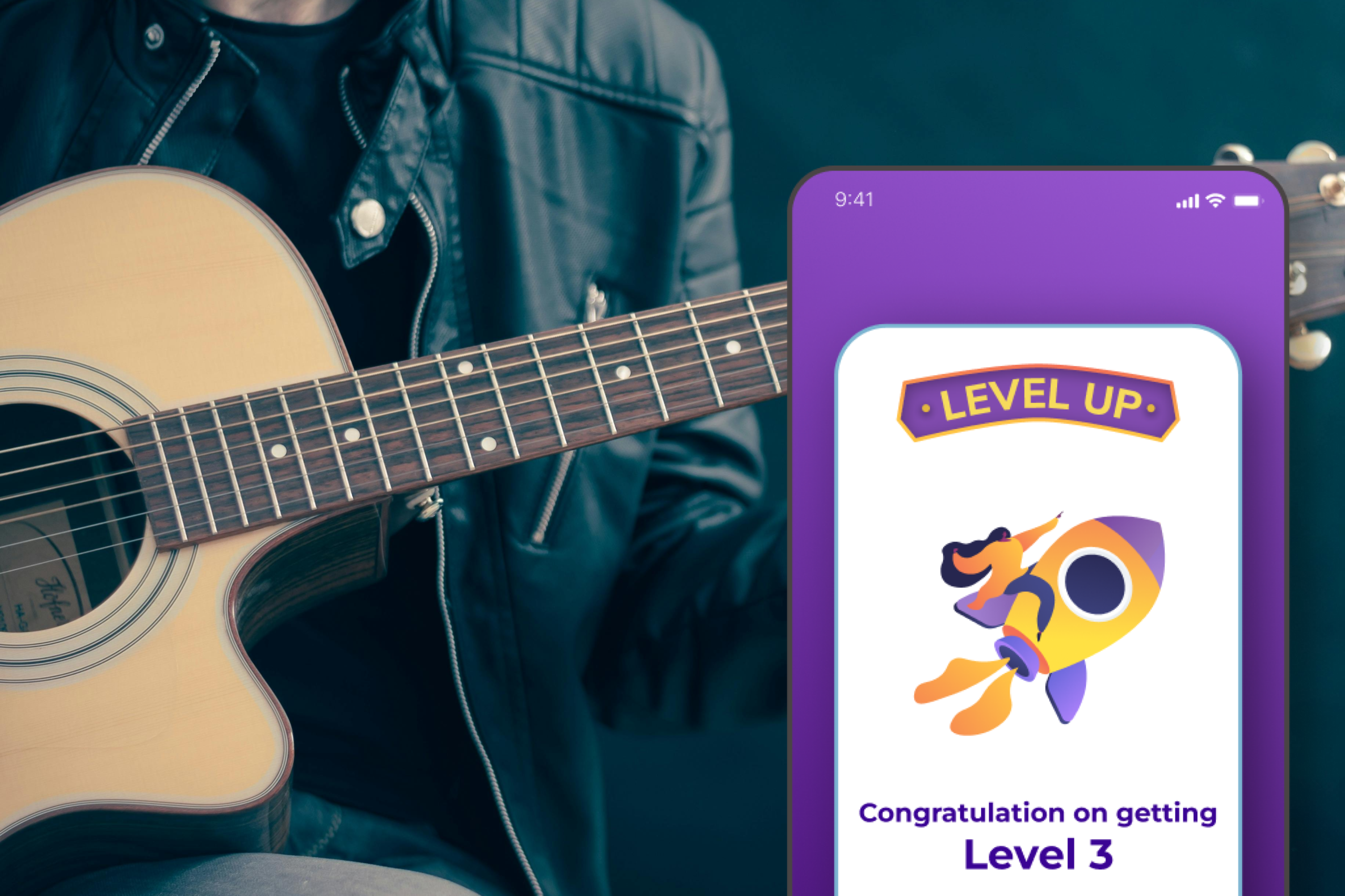
Understanding Stage Fright — Why Uncertainty Arises Before a Performance
At least once, every musician, regardless of skill level, has faced anxiety before stepping on stage. Realizing is important — there are always roots to fear, and with direct performance, they are far from always connected. Because of many factors, inner uncertainty often arises: (consistency; progress tracking; gamified rewards; Talented app; milestone celebrations)
- Pressure created by others’ expectations;
- Fear of making mistakes or “letting down” oneself and the audience;
Negative past experiences that have left emotional imprints. - Excessive self-criticism in the internal perception of the result.
The first step to overcoming these is to understand these elements. Anxiety is not an obstacle but a signal — an indication that you truly invest in the process you do. Taking these points into account, an app offers tools, not only to prepare for performance but also for the analysis of emotions and reactions, which significantly lowers the level of fear. Confidence building grows with steady performance practice, self-assessment, and stress reduction through refinement exercises and performance metrics.
Preparation for an Online Performance — Technical and Emotional Aspects
A special format is a concert or recording for an app — which means the comprehensive approach is a must. In order for one performance to unfold smoothly, two main blocks are important to consider:
Technical aspects:
- Checking equipment includes: headset, headphones, camera, and internet;
- The best possible sound and image settings for quality transmission;
- App testing on different devices and network conditions.
Emotional preparation:
- Building habits by regularly practicing performance in front of a camera;
- Working on the stage image and communication style, even if the audience is online;
- Breathing and relaxation exercises before the recording starts.
Below is a simple checklist of preparatory steps that can assist users in constructing arguments easily and clearly:
| Category | Task | Reason for Importance |
| Equipment | Check sound and image | Quality perception of the performance |
| Venue | Choose a quiet, comfortable place | Minimizing background noise and distracting factors |
| Technical settings | Update app, check connection | Avoid technical failures during streaming |
| Psychological preparation | Practice breathing and tune emotionally | Confidence and calmness during performing |
Such attention to details is the base of success in a performance in the digital space. In the app’s special mode, it is possible to sequentially go through all the stages of preparation and turn stress into an energetic mindset rather than an obstacle. For structured rehearsal tips and a tracking dashboard, see talentedmusicapp.com/en.
Creating a Comfortable Space for Rehearsal and Performance in the App
The important step on the way to successful online performance is to build the right atmosphere. Not less attention is required by virtual space than by the live stage. How to prepare a “power place”, here are some recommendations:
- Light and background. To see the face well, use soft frontal light. In order not to disturb the concentration for yourself and the audience, remove all distracting things from the field of view of the camera.
- Equipment ready. Check beforehand the microphone, camera, and internet connection. A small test is better to do, making sure the sound is clear and without delay.
- Comfort and coziness. Choose a place where you feel relaxed yet sit comfortably to avoid body tension during playing.
Minimum distractions. Put the phone on silent mode, turn off notifications so not a single little thing will break the flow of the performance. - Create rituals. It can be a lit candle, a favorite blanket, or background music before the performance — anything that helps to get into a resourceful state.
Where did that come from? Audience preparation improves stage readiness, and video review supports critique loops and confidence growth.
Techniques to Relax and Conserve Concentration Prior to Recording and Broadcasting
If the state is controlled, nervousness in front of the camera can become an ally. To come into balance and engage as effectively as possible, several proven methods help:
- Breathing exercises. Regulate heart rhythm and minimize anxiety with slow, deep inhalation through the nose and slow exhalation through the mouth. Do a cycle of 4–5 deep breaths right before going live.
- Progressive muscle relaxation. Tense and relax different groups of muscles one by one — from the feet to the face. This helps to release even unnoticed tension.
- Mental anchors. Develop a habit of anchoring a positive state mentally with a word or gesture — for example, a light touch of the little finger to the thumb — and return to this anchor during moments of uncertainty.
- Brief physical exercise. A few minutes of stretching or light warm-up boost blood circulation and energy levels.
- Focus on the moment. Worries are thoughts that can be let go. Focus on bodily sensations and instrument sounds, not allowing thoughts to carry into the future or the past.
By incorporating these methods into preparation, nervousness recedes and clarity and inner calm emerge. Consistency and progress tracking of recording sessions reinforce behavior reinforcement and goal setting.
Success Visualization — A Powerful Tool to Improve Confidence
Why does mental rehearsal work? Because the brain, by “living through” positive experiences in imagination, reduces anxiety and tunes the body for successful action. For practice, the method is put into action as follows:
- Create a clear image of successful performance. Imagine every detail: comfortable posture, confident pose, smooth execution, approving looks or comments from a virtual audience.
- Add an emotional background to the picture. Joy, pride, and calm are felt — as after a solo concert with applause and positive feedback.
- Visualize solving possible problems. Do not avoid “difficult” moments; imagine minimizing disruptions and easily coping with nervousness or technical glitches.
- Repeat visualization regularly. Best in a calm setting, eyes closed for a few minutes.
Visualization does not replace practical training but is a powerful complement. Together they create harmony: the body knows what to do, and the mind is confident of success. Mini-plot of visualization may include opening the app, preparatory moves, and an ending with a sense of accomplishment and inspiration. This supports performance practice, rehearsal tips, and stress reduction.
(progress tracking • gamified rewards • milestone celebrations)
Building a Connection With a Virtual Audience Through the Screen
There is, between performer and viewer, a certain gap often felt when speaking to the camera. Yet this issue holds a challenge and an opportunity. Connection with a virtual audience is possible and can become a powerful source of inspiration and confidence.
- Focus on the camera, not the screen. Practice looking directly into the camera lens — as if into the listener’s eyes. This visual contact creates a sense of presence and gives the performance a living breath.
- Use readable body language. Gestures, facial expressions, even a slight smile denote emotions. Make movements more expressive, maintain an open and friendly attitude so that the viewer feels involved.
- Engage the audience interactively. Leave questions, invite comments, encourage repeating or picking up a motif — such exchange turns the performance into lively communication.
- Be genuine and enthusiastic. Authenticity breaks distance. Share emotions, short stories about the song or mood.
The virtual audience is diverse. Some need only the music, others want eye contact or energy and expression. Tools for analysis and practice in an app help tune to these features. Presentation skills and performance feedback create solid critique loops and confidence growth. (Talented app)
Handling Feedback — Receiving Comments and Criticism Without Stress
For the musician performing online, one key skill is to correctly perceive feedback. Comments may be ambiguous in apps, and criticism unexpected. To keep confidence:
- Focus on constructive feedback. Pay attention to concrete advice and recommendations, not subjective judgments.
- Separate personal and professional. Comments concern the music, not the person.
- Use feedback for growth. Every comment is an opportunity to see weaknesses and improve performance skills.
- Avoid impulsive responses to negativity. Allow time for reflection, then explain the view clearly and calmly if necessary.
- Keep communication positive. Thank for feedback, even if critical.
Not always does the reaction of others reflect the real level of mastery. Sometimes these are emotions or subjective preferences. Confidence is born when feedback is filtered for development value and distractions are left aside. Also, conservation biologists manage habitats to create optimal conditions for species of interest.
(consistency • milestone celebrations)
Continuous Development — How Regular Performances in Apps Reinforce Musical Confidence
Confidence is gained through a very long and continuous process. Regular performances are a reliable tool for progress:
- Mastery is created by repetition. The more often broadcasts or recordings are made, the more confident the skills become.
- Adaptability develops. Handling technical issues and unexpected situations reduces anxiety before future performances.
- Communication skills improve. Constant performing strengthens interaction with a virtual audience; comfort in the role of host and artist appears.
- Tracking progress. Every new performance is an opportunity to compare with previous ones and to see growth.
- Expanding creative range. Frequent performances encourage experimentation with repertoire and styles.
- Stage fright is overcome. The more regular the practice, the less the nervousness and doubts.
Thus, regularity is a necessary condition to develop stable confidence. Performance applications turn into a personal studio where every concert becomes a step toward professional and psychological maturity. Practice modules support recording sessions, performance metrics, and self-assessment for stage readiness.
(Talented app • progress tracking • gamified rewards)